Plan A
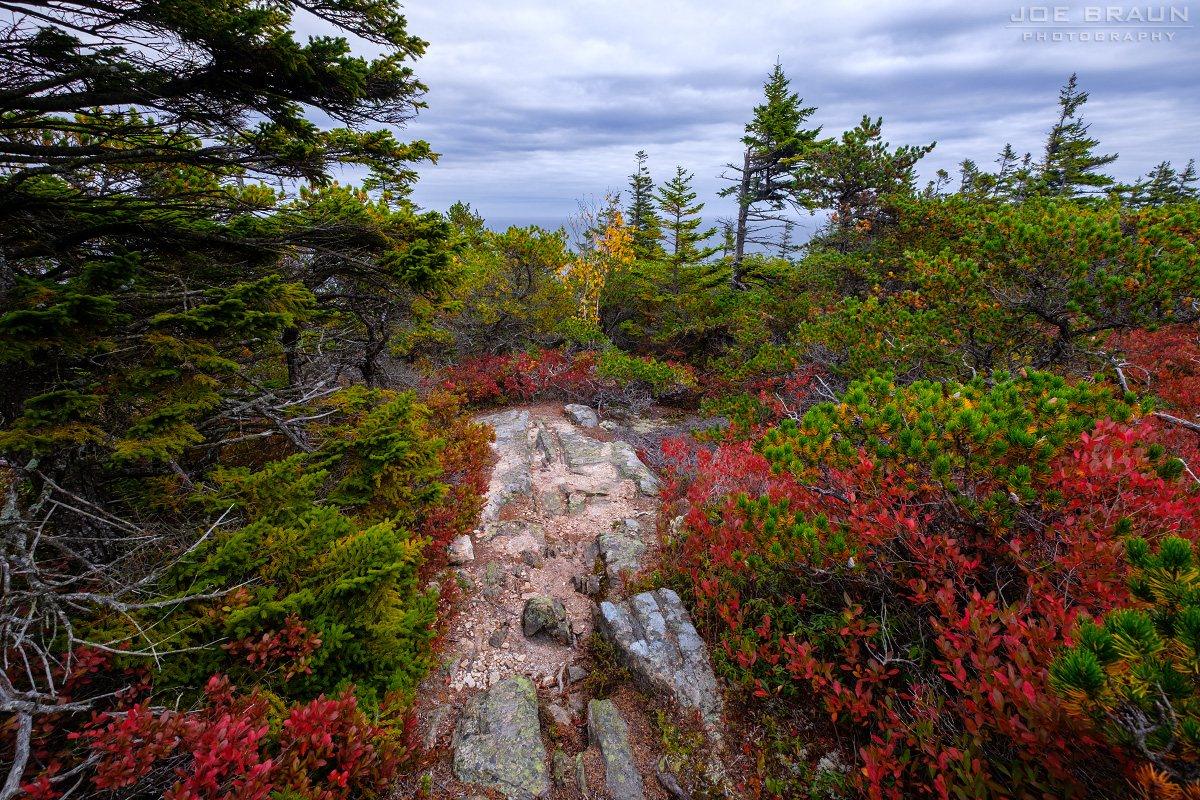
Schoodic Point
Open ocean, fewer nearby town lights, and a separate peninsula. Scout legal parking and the return route before dark.
 EN
EN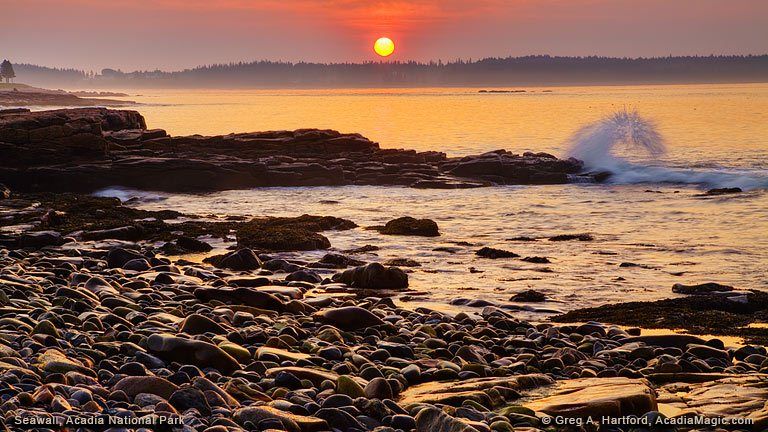
Use the darkest practical coast, check the moon and clouds, preserve your night vision, and never turn a night-sky plan into unsafe shoreline travel.
Clear sky, low cloud, moon phase, sea fog, and safe access matter more than a “best month.” NPS does not publish one official best-month window; late spring through early fall is more comfortable, while the Milky Way claim is season- and hour-dependent.
Open ocean, fewer nearby town lights, and a separate peninsula. Scout legal parking and the return route before dark.
A quieter south-facing shore. Stay off wave-washed boulders and use a dim red light when people are observing nearby.
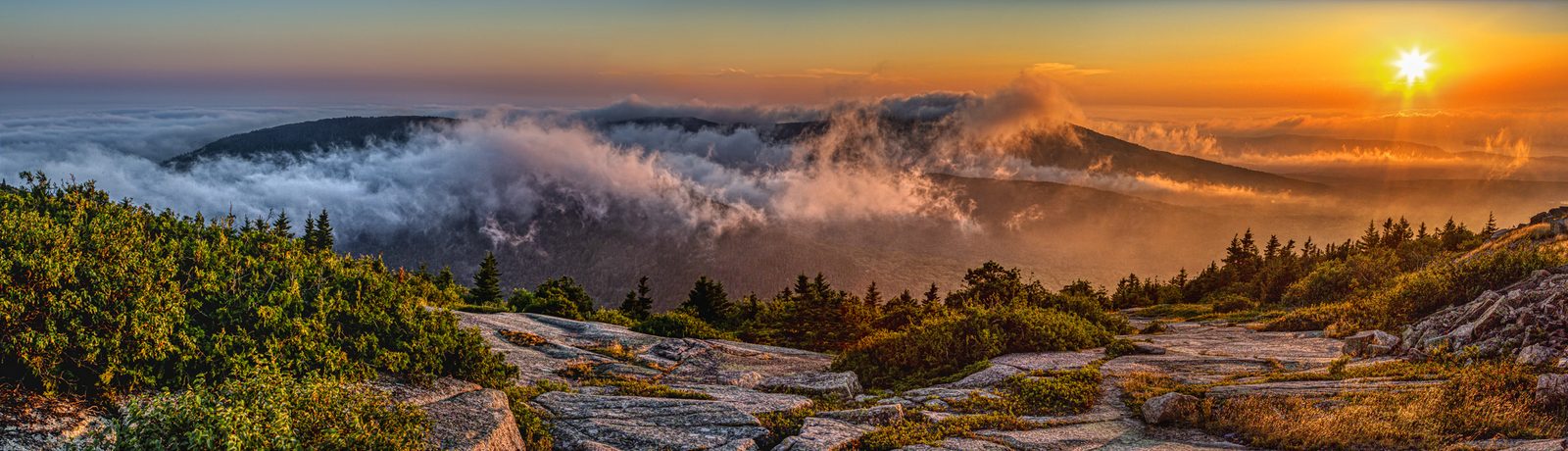
Wide sky and distant lights, but access rules and cloud can change the plan. Confirm summit-road status and reservation requirements.
Cadillac rulesThe former Acadia Night Sky Festival concluded after 2022. Do not plan around old festival date pages. NPS continues to offer selected ranger-led night-sky programs; verify current events directly for your travel dates.
Schoodic Point and Seawall are strong dark-sky choices; Cadillac offers elevation but more access constraints. The best choice is the safest clear location for that night.
Late summer is a practical planning season cited by secondary sky guides, but visibility depends on date, hour, moon, clouds, and the galaxy’s position. Use a sky chart for your exact night.
The former festival concluded after 2022. Look for current NPS night-sky programs rather than relying on archived festival pages.